
Why Restaurant HVAC Fails Faster in Panama City Beach — and What to Do About It
Bruce Thacker
Aug 20 2026 12:00
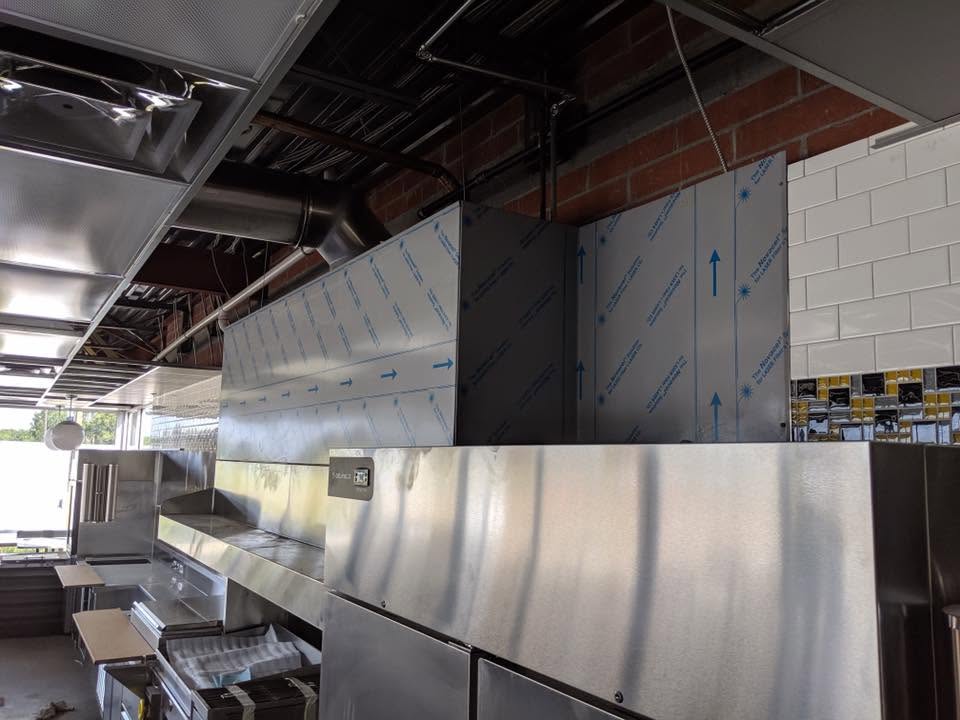
In Panama City Beach, restaurant HVAC systems face one of the harshest operating environments anywhere on the Florida Panhandle. Grease‑laden kitchen air, salt‑heavy coastal humidity, and nonstop operation during peak tourist season all compound to wear out equipment far faster than in other commercial settings. For Bay County restaurants, understanding these stressors — and taking action early — is the key to preventing costly downtime. Bruce’s Heating & Cooling has helped local restaurants stay ahead of these issues for decades.
If you own or manage a restaurant in Panama City Beach, here’s what you need to know about why HVAC equipment fails faster — and what you can do to protect your investment.
1. Grease‑Laden Kitchen Air Places Extreme Stress on HVAC Equipment
Even with a functional hood system, restaurants generate airborne grease that drifts into ductwork, return vents, and HVAC components. When kitchen hoods are undersized, poorly maintained, or improperly balanced, the problem worsens — and your HVAC system pays the price.
Common HVAC issues caused by kitchen grease include:
- Clogged evaporator coils that reduce cooling efficiency
- Restricted airflow from contaminated filters and ductwork
- Short cycling due to overheating components
- Indoor air quality problems that stress the system and increase runtimes
Restaurants with older or mismatched hood systems often see significantly higher HVAC failure rates. Partnering with a contractor skilled in both HVAC and hood installation — like Bruce’s Heating & Cooling — ensures that ventilation and cooling work together rather than against each other.
2. Coastal Salt Air Accelerates Corrosion in Bay County Restaurants
Anyone operating along the beach knows how quickly metal can corrode — and HVAC systems are no exception. Salt‑humid air in Panama City Beach accelerates oxidation of coils, fittings, and electrical components inside rooftop and ground‑level units.
Signs your equipment is being damaged by salt air:
- Rust forming on cabinet panels or coil frames
- Unusual noises or vibration from corroded fan components
- Premature capacitor or contactor failures
- Refrigerant leaks caused by weakened coil surfaces
For restaurants located close to the Gulf — especially those on or near beachfront corridors — this corrosion can shorten system lifespan dramatically without seasonal maintenance and protective coatings.
3. Peak Tourist Season Pushes Restaurant HVAC to Its Limits
During summer, Panama City Beach restaurants operate nearly nonstop. Between full dining rooms, open kitchen doors, heavy foot traffic, and long hours, HVAC systems often run from open to close without a break.
This constant load leads to:
- Longer daily runtimes that heat up components
- Heavier moisture removal demands
- Increased refrigerant pressures from high indoor heat loads
- Faster wear on motors, blowers, and belts
By late summer — especially in years with intense heat — many restaurants experience system slowdowns or complete failures simply due to cumulative strain.
4. Improperly Ventilated or Unbalanced Hood Systems Overwork HVAC Units
Kitchen hoods are designed to remove heat, smoke, greasy aerosols, and humidity. When hoods aren’t functioning properly, the HVAC system ends up doing double duty — cooling the dining room and
compensating for the kitchen’s excess heat and humidity.
HVAC systems begin to struggle when hood ventilation is:
- Undersized for equipment load
- Improperly balanced with makeup air
- Lacking regular cleaning and maintenance
- Installed incorrectly or modified over time without proper airflow adjustments
This is why many successful restaurant operators choose a single provider
for both hood service and HVAC maintenance. A unified approach ensures equipment is balanced, efficient, and reliable.
Bruce’s Heating & Cooling provides full Commercial Hood Installation
and service across Bay County, allowing restaurant owners to streamline maintenance with one expert team.
5. Why Regular Commercial HVAC Maintenance Is Critical for Restaurants
For restaurants, “set it and forget it” is not an option. A single HVAC failure during peak season can shut down dining operations and trigger emergency repair costs. Preventive maintenance dramatically reduces the risk of unexpected downtime.
Commercial maintenance visits typically include:
- Deep coil cleaning to remove grease and salt buildup
- Checking pressures, refrigerant levels, and electrical components
- Examining belts, motors, and blower assemblies for wear
- Flushing and clearing condensate drains
- Ensuring kitchen hoods and makeup air systems are properly balanced
Because restaurants operate under such heavy conditions, twice‑annual or quarterly service is often recommended — especially for properties near the beach.
6. One Contractor for Hood Systems + HVAC Means Better Performance
Many HVAC failures in restaurants can be traced back to ventilation issues. When two separate contractors manage hood maintenance and HVAC service independently, important problems go undiagnosed.
Using a single provider for both:
- Ensures the HVAC load matches the actual kitchen environment
- Improves airflow balance between kitchen and dining room
- Prevents system strain caused by hood or makeup air issues
- Simplifies scheduling and emergency response
Bruce’s Heating & Cooling offers integrated commercial HVAC and kitchen hood services to help Panama City Beach restaurants get more reliability from their equipment — especially during peak summer traffic.
Learn more about our full commercial maintenance options here: Commercial Maintenance Plans.
FAQ
Why does my restaurant’s HVAC fail more often in summer?
High heat loads, nonstop operation, and tourist‑season occupancy push systems to their limits, especially when combined with grease and coastal humidity.
Does salt air really damage commercial HVAC that quickly?
Yes — coastal air is extremely corrosive and requires more frequent cleaning, inspection, and protective coating.
How often should restaurant HVAC be serviced?
Most restaurants in PCB benefit from quarterly maintenance, especially those near the beach or operating long daily hours.
Can hood and HVAC problems be related?
Absolutely. If your hood or makeup air system is unbalanced, your HVAC system will overwork and fail prematurely.
Does Bruce’s handle both hood work and HVAC service?
Yes. We offer full hood installation and HVAC maintenance, giving restaurant owners a single, coordinated service provider.
If you want to protect your restaurant’s HVAC system — and avoid costly downtime this season — call or text Bruce’s Heating & Cooling today to discuss commercial service options.