
What Salt Air Does to Your HVAC System — and How to Stop It
Bruce Thacker
Sep 14 2026 12:00
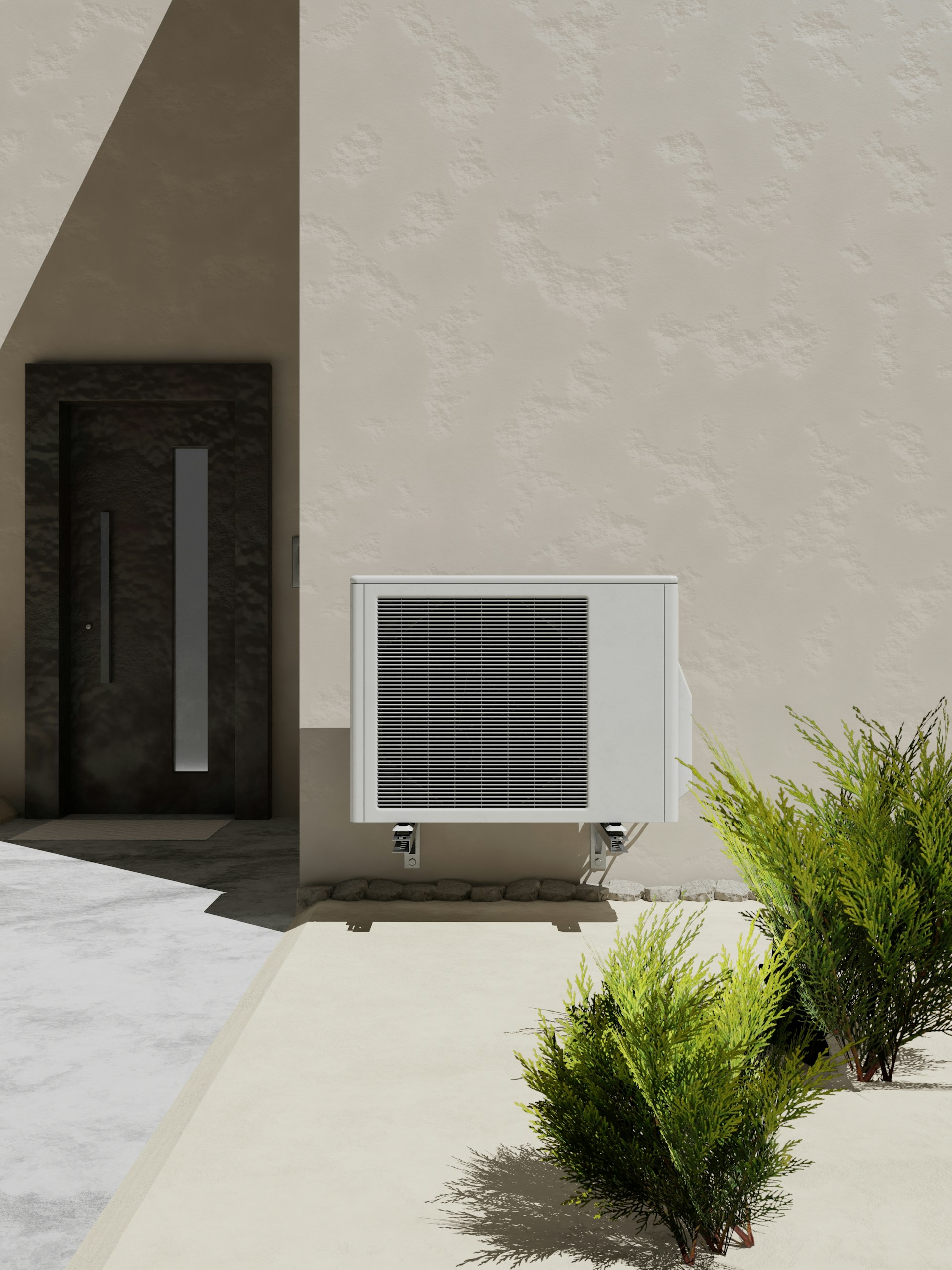
Salt air is one of the most aggressive environmental threats to HVAC systems in coastal Florida communities like Panama City Beach, Santa Rosa Beach, Rosemary Beach, and the entire 30A corridor. It corrodes condenser coils, electrical contacts, and copper refrigerant lines faster than almost any other climate in the country — often cutting system lifespan in half. Most Bay County and South Walton County homeowners don’t realize the damage is happening until performance drops or the unit fails completely. Bruce’s Heating & Cooling has spent more than 30 years helping coastal homeowners spot the early signs and protect their systems from preventable corrosion.
Here’s what salt air is doing to your AC — and how to slow down the damage.
1. Why Coastal HVAC Systems Wear Out Faster
Salt‑laden air drifting in from the Gulf of Mexico settles on every outdoor AC system from Panama City Beach to Santa Rosa Beach. Even properties not directly on the water experience the effects — coastal winds carry salt several miles inland.
Salt speeds up deterioration in three powerful ways:
- Chemical corrosion: Salt reacts with aluminum, copper, and steel components, causing them to pit, weaken, and flake.
- Moisture retention: Salt crystals hold moisture against metal surfaces, accelerating rust and oxidation.
- Electrical degradation: Corrosion on contact points increases resistance, leading to overheating and premature failure.
This combination makes coastal Florida one of the toughest environments for HVAC equipment anywhere in the country.
2. The Components Most Vulnerable to Salt Damage
Not all HVAC components corrode at the same rate. Some parts are much more vulnerable — and when they fail, the entire system can stop cooling.
Here are the components that salt air attacks fastest:
- Condenser coils: The thin aluminum fins corrode first. Once these fins deteriorate, the unit can’t release heat efficiently, forcing it to run longer and hotter.
- Copper refrigerant lines: Salt corrosion causes pitting that leads to refrigerant leaks — one of the most common (and expensive) coastal failures.
- Electrical contacts and capacitors: Salt and moisture cause contacts to rust, arc, or burn, resulting in sudden system shutdowns.
- Fan blades and motor housings: Metal blades corrode over time, and weakened housings can cause vibration or motor failure.
- Cabinet panels and screws: While cosmetic at first, rusted panels and fasteners can expose internal components to the elements.
Homeowners along Front Beach Road, Rosemary Beach, and the western 30A coastline in particular see these problems develop faster due to direct ocean exposure.
3. Visible Warning Signs of Salt-Air Corrosion
Salt damage often starts quietly, but there are clear visual indicators that your system is deteriorating.
Common warning signs include:
- White or green corrosion on copper lines
- Rust forming on cabinet corners, screws, or brackets
- Fin deterioration (crumbling or missing sections on the condenser)
- Frequent capacitor or contactor failures
- Warm air blowing from vents during peak load times
- Increased energy bills from extended runtimes
If you manage a rental property in high‑exposure zones like Panama City Beach’s Grand Lagoon area or Gulf-front homes in South Walton County, these signs may appear earlier than expected — sometimes within just a few years of installation.
4. Why Many Homeowners Don’t Notice Until It’s Too Late
Corrosion happens slowly at first. Most homeowners don’t inspect their outdoor unit closely, especially if it’s behind a fence or tucked beside a structure. And inside the home, the system may appear to be cooling “well enough” until coil damage becomes severe.
By the time symptoms are clear — like a refrigerant leak or complete compressor failure — repairs can be costly. In severe cases, corrosion can render a system unrepairable long before it reaches the national average lifespan of 12–15 years.
In coastal Florida, many systems fail between 5–7 years
without proper protection and maintenance.
5. Protective Steps to Slow Down Salt-Air Damage
The good news: you can dramatically slow corrosion with the right preventive care. Bruce’s Heating & Cooling helps Panama City Beach and 30A homeowners extend AC lifespan with a combination of cleaning, coating, and routine inspections.
The three most effective protective steps are:
1. Professional Coil Cleaning
Salt sticks to condenser fins and traps moisture against the metal. Regular coil cleaning removes salt buildup before it can eat into the aluminum or copper. This improves heat transfer and reduces wear on the compressor.
2. Anti‑Corrosion Coating Application
A professional-grade corrosion coating creates a barrier between salt air and the metal components of your AC. Homes near Panama City Beach, Santa Rosa Beach, Rosemary Beach, and the eastern 30A communities benefit significantly from annual or biennial reapplications.
3. Twice‑Yearly HVAC Maintenance
Preventive inspections help catch corrosion early and address minor issues before they become major system failures. During maintenance, technicians check coils, electrical components, refrigerant levels, and cabinet integrity — all areas susceptible to salt damage.
Bruce’s Heating & Cooling includes corrosion checks as part of its routine service offerings. Visit our Residential AC Repair
page to learn more about repair and restoration options for corroded systems.
6. Coastal-Protected Systems at Installation
If you’re replacing an older unit, consider upgrading to a system designed for coastal environments. Carrier offers factory-applied coastal coatings that protect coils and metal surfaces before the unit ever reaches your home.
The advantages of coastal-rated systems include:
- Thicker-coated coils and cabinet surfaces
- Improved resistance to pitting and oxidation
- Longer system lifespan in Gulf-facing areas
- Reduced frequency of electrical component failures
Bruce’s Heating & Cooling installs coastal-protected systems for homes throughout Bay County and South Walton County. Explore options on our Residential AC Installation
page.
7. Which Homes Are Most at Risk?
While every coastal property experiences corrosion, certain locations see faster deterioration:
- Waterfront condos in Panama City Beach
- Gulf-facing homes in South Walton County
- High-rise buildings where wind drives salt higher
- Neighborhoods along 30A with direct exposure
- Properties near Grand Lagoon where moisture levels are elevated
Even inland neighborhoods within a few miles of the Gulf see significant salt impact over time.
FAQ
Can salt corrosion be reversed?
Mild corrosion can often be cleaned and treated. Severe coil or line-set corrosion typically requires component replacement.
Does rinsing my outdoor unit help?
Light rinsing can help but should never replace professional cleaning. High-pressure washing can damage coils.
How often should I schedule maintenance?
Twice a year is recommended for all coastal properties — spring and fall.
Should beachfront homes have coated systems?
Yes. Coastal-coated systems significantly extend lifespan for Gulf-front properties.
Is corrosion the main reason AC units fail early at the coast?
Yes — corrosion is the primary factor behind shortened AC lifespans in coastal Florida.
Want to protect your HVAC system from salt damage? Call or text Bruce’s Heating & Cooling at 850‑230‑3009 for expert guidance and coastal-protection options.